
This article may contain affiliate links. We may earn a commission at no additional cost to you; this does not determine our editorial conclusions.
Getting more website traffic is only half the battle. If visitors leave without contacting you, subscribing to your newsletter, or making a purchase, your website isn’t delivering the results it could.
A high-converting website doesn’t happen by accident. While attractive design certainly helps, the biggest improvements in website conversions usually come from understanding your visitors’ needs and making it easy for them to take action. Businesses that focus on conversion rate optimization (CRO) often see better results by refining their messaging, user experience, and content rather than constantly redesigning their websites.
Whether you’re building a new website or trying to improve your website conversion rate, the following elements consistently appear on websites that successfully turn visitors into leads and customers.
Quick Takeaways
• Clearly communicate your value within seconds.
• Make website navigation simple and intuitive.
• Publish content that answers your customers’ questions.
• Use clear calls to action that match visitor intent.
• Continuously optimise your website based on user behaviour.
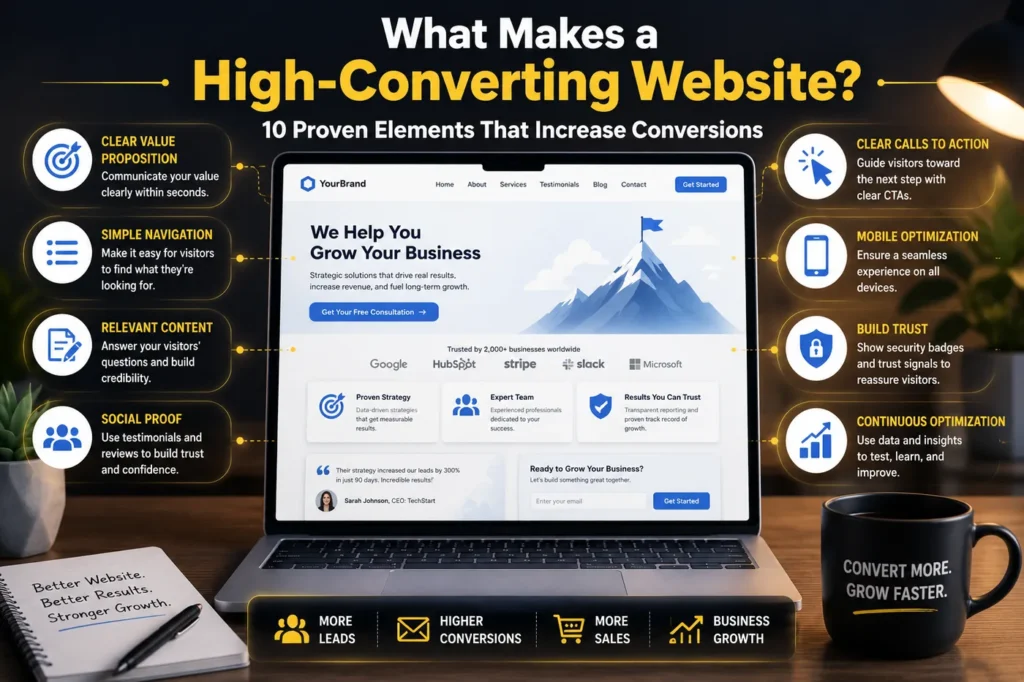
1. A Clear Value Proposition
Visitors form an opinion about your website within seconds. If they can’t quickly understand what your business offers or why they should choose you over a competitor, they’re likely to leave before exploring further.
Every high-converting website clearly explains who it helps, what problem it solves, and the benefits customers can expect. Instead of relying on vague marketing phrases such as “innovative solutions” or “industry-leading services,” focus on communicating real outcomes that matter to your audience.
Your value proposition should also remain consistent throughout your website. When your homepage, service pages, and landing pages reinforce the same message, visitors gain confidence in your business and are more likely to continue their customer journey.
2. Simple Navigation That Supports the Customer Journey
Even the best website design won’t increase conversions if visitors struggle to find the information they’re looking for.
High-converting websites make navigation effortless. Menus are organised logically, important pages are easy to locate, and visitors can move naturally from one step to the next without feeling overwhelmed. Whether someone wants to learn about your services, compare solutions, or contact your business, every path should feel intuitive.
Navigation also plays an important role in both SEO and the overall website user experience. Well-structured internal links help visitors discover relevant information while giving search engines a clearer understanding of how your content is connected. Websites built around a documented content strategy naturally create these connections, making them easier to navigate and more valuable as they grow. How to Create a Winning Content Strategy from Scratch explains why this approach improves both user experience and long-term search visibility.
3. Content That Builds Trust Before Selling
Most people don’t become customers the first time they visit a website. They research, compare options, and look for trustworthy information before making a decision.
That’s why content marketing is one of the most effective ways to increase website conversions. Helpful blog posts, buying guides, comparison articles, FAQs, and case studies answer common questions while demonstrating your expertise. Instead of pushing for an immediate sale, this type of content helps visitors make informed decisions and builds trust over time.
Evergreen content is especially valuable because it continues attracting organic traffic long after it’s published. Businesses that consistently create educational resources often generate more qualified leads because they’re answering the questions potential customers are already searching for. That’s one reason evergreen content remains a cornerstone of successful marketing strategies.
4. Calls to Action That Match Visitor Intent
A visitor shouldn’t have to guess what to do next.
Every important page should include a clear call to action (CTA) that reflects where the visitor is in their journey. Someone reading an educational article may be ready to download a guide or subscribe to your newsletter, while someone exploring your services may prefer to request a quote or schedule a consultation. Presenting one logical next step is usually far more effective than competing for attention with multiple calls to action.
As your business grows, managing enquiries manually becomes increasingly difficult. Many businesses use a customer relationship management platform such as HubSpot to capture leads from website forms, organise customer information, and ensure enquiries receive timely follow-ups. While software alone won’t improve your website conversion rate, having a consistent lead management process helps ensure potential customers don’t slip through the cracks.
5. Fast Website Speed
No matter how useful your content is or how attractive your website design looks, visitors won’t wait for a slow website to load. Research consistently shows that page speed has a direct impact on user experience, bounce rates, and website conversions. Even a delay of a few seconds can cause potential customers to leave before they see what you have to offer.
Website speed also plays an important role in SEO. Search engines want to deliver the best possible experience to users, so faster websites are more likely to perform well in search results when other ranking factors are similar. Google’s Core Web Vitals provide a standardized way to measure loading performance, responsiveness, and visual stability, making them a useful benchmark for improving both user experience and search visibility.
Improving website speed doesn’t always require a complete rebuild. Compressing images, reducing unnecessary plugins, enabling browser caching, using a content delivery network (CDN), and choosing reliable web hosting can significantly improve loading times. Regularly monitoring your site’s performance with tools like Google PageSpeed Insights or GTmetrix can help identify issues before they begin affecting conversions.
Website speed is only one part of a successful SEO strategy. Search visibility also depends on factors such as content quality, technical optimisation, and user experience, all of which work together to improve long-term website performance. If you’re looking to strengthen these areas, The Ultimate Guide to Writing Blog Posts That Rank on Google explains how SEO best practices extend beyond keywords alone.
6. A Mobile-Friendly Website
More people browse the internet on smartphones than on desktop computers, making a mobile-friendly website essential rather than optional.
A responsive website automatically adjusts to different screen sizes, ensuring visitors can read content, navigate menus, and complete forms without frustration. Buttons should be easy to tap, text should remain readable without zooming, and important information should appear near the top of the page.
Mobile usability also influences search rankings because Google primarily evaluates the mobile version of a website when determining rankings. Businesses that ignore mobile optimisation risk losing both search visibility and potential customers.
A good way to test your website is to complete common tasks using your own phone. If requesting a quote or submitting a contact form feels difficult, your visitors are probably experiencing the same problems.
7. Trust Signals That Reduce Hesitation
Visitors are unlikely to share their personal information or make a purchase unless they trust your business.
High-converting websites build credibility by providing clear evidence that the business is legitimate and capable of delivering what it promises. This often includes customer testimonials, reviews, case studies, certifications, industry awards, guarantees, and clear contact information.
Transparency also matters. Visitors appreciate businesses that clearly explain pricing where appropriate, introduce their team, and make it easy to find policies such as privacy notices and terms of service. These details reduce uncertainty and help potential customers feel more comfortable moving forward.
Privacy has become another important trust signal. If your website uses cookies or tracking technologies, visitors should understand what information is being collected and have the opportunity to manage their preferences. Many businesses use solutions such as Cookiebot to present consent choices while helping maintain compliance with privacy regulations and supporting responsible data collection.
8. Continuous Testing and Improvement
One of the biggest differences between average websites and high-converting websites is that they’re never considered “finished.”
Successful businesses regularly review website performance using analytics and user behaviour data. Instead of relying on assumptions, they measure what visitors actually do and make informed improvements over time. Using Google Analytics to monitor metrics such as engagement, traffic sources, and conversion paths can help identify where visitors drop off and which improvements are most likely to increase conversions.
Some of the most valuable metrics include:
• Website conversion rate
• Bounce rate
• Average engagement time
• Landing page performance
• Form completion rate
• Click-through rate (CTR)
Small adjustments to headlines, page layouts, forms, or calls to action can produce meaningful improvements over time. Rather than making large-scale changes all at once, ongoing optimisation allows you to identify what genuinely improves website conversions.
For businesses managing enquiries across multiple marketing channels, platforms such as HubSpot can combine website forms, CRM data, and marketing analytics into one place, making it easier to understand which pages and campaigns generate the highest-quality leads.
Frequently Asked Questions
What is a high-converting website?
A high-converting website consistently encourages visitors to complete meaningful actions such as making a purchase, submitting a contact form, requesting a quote, or subscribing to a newsletter. The exact conversion depends on your business goals.
How can I improve my website conversion rate?
Start by improving your value proposition, simplifying navigation, publishing helpful content, speeding up your website, optimising for mobile devices, and using clear calls to action. Testing changes over time is often more effective than redesigning your entire website.
Does website speed affect SEO?
Yes. Website speed is a confirmed ranking factor and has a significant impact on user experience. Faster websites generally experience lower bounce rates and better engagement, both of which contribute to stronger search performance.
Why is content important for website conversions?
Helpful content answers potential customers’ questions, builds trust, and demonstrates expertise. Visitors who find valuable information are more likely to stay on your website and eventually become customers.
Do I need a CRM to increase website conversions?
Not necessarily. A CRM won’t increase conversions by itself, but it helps businesses organise leads, track enquiries, and follow up consistently. As your business grows, this often leads to fewer missed opportunities.
What role does cookie consent play in conversions?
A clear cookie consent process helps build trust by showing visitors that you respect their privacy. While consent banners should never disrupt the user experience unnecessarily, transparent privacy practices can improve confidence in your business.
Final Thoughts
A high-converting website isn’t defined by flashy animations or expensive design. It’s built on a strong understanding of your audience and a commitment to making every stage of the customer journey as simple and helpful as possible.
Clear messaging, intuitive navigation, valuable content, fast performance, mobile optimisation, and trust all work together to improve website conversions over time. Rather than trying to implement every tactic at once, focus on making steady improvements based on real user behaviour. Businesses that consistently refine their websites often see the biggest gains because small changes compound into better user experiences, stronger search visibility, and more qualified leads.

We research and organize marketing software around practical use cases. Product claims are included only when supported by available sources.
Read our editorial policy →Related guides

5 Best Competitor Analysis Tools for Content Marketers in 2026
Compare 5 competitor analysis tools for content marketers to uncover keyword gaps, backlinks, top pages, and new content opportunities.
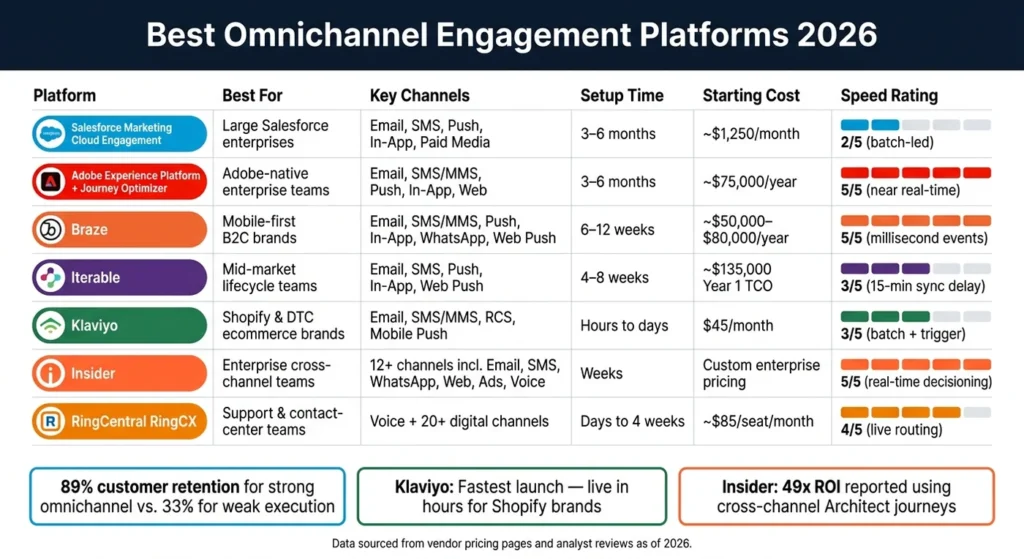
Best Omnichannel Engagement Platforms 2026
If you pick the wrong platform, you can waste months on setup and still miss the channels your team needs or fail to optimize AI based copywriting for SEO to engage them. The shortlist…
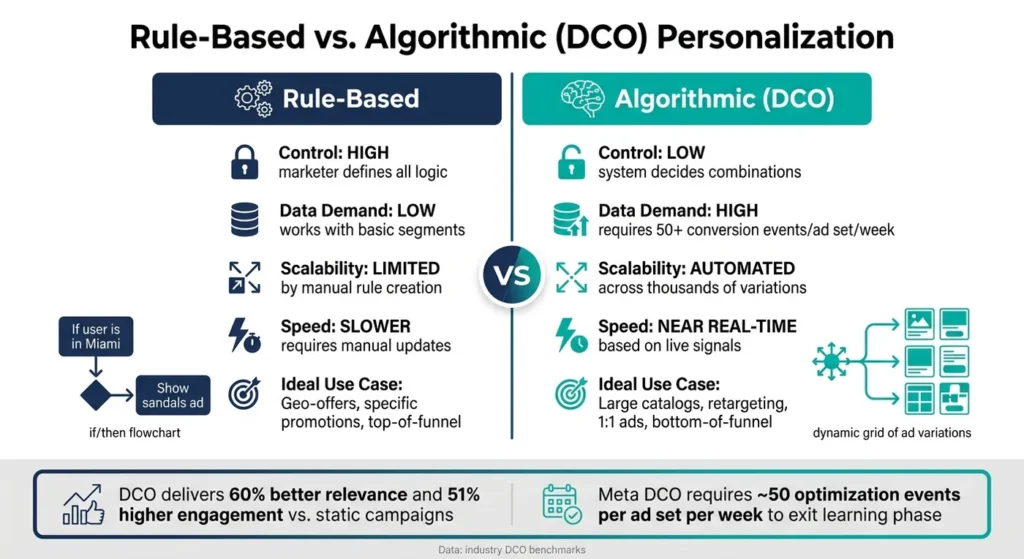
Ultimate Guide to Personalization in Display Ads
Personalized display ads can lift CTR by 34% and cut CPA by 38% when the setup is clean. My take is simple: if I want personalization to work, I need three things in place…