

This article may contain affiliate links. We may earn a commission at no additional cost to you; this does not determine our editorial conclusions.
Creating content has never been easier. Businesses can publish blog posts, videos, social media updates, emails, and podcasts using an ever-growing number of digital tools. Yet despite producing more content than ever, many companies still struggle to attract the right audience, generate qualified leads, or achieve meaningful business results.
The problem usually isn’t a lack of effort—it’s the content creation process itself. Businesses often publish without understanding their audience, planning their content, or measuring what works. As a result, they invest significant time and resources into content that fails to gain traction or deliver long-term value.
Fortunately, most of these mistakes are preventable. Small changes in how you plan, create, and manage your content can make a significant difference in its performance. Whether you’re a small business owner, marketer, or part of a growing content team, understanding these common pitfalls can help you build a more effective and sustainable content strategy.
Quick Takeaways
• Create content around your audience’s needs instead of simply promoting your products or services.
• Build a documented content strategy before publishing consistently.
• Focus on quality rather than producing as much content as possible.
• Know when it’s worth bringing in specialists for tasks outside your expertise.
• Measure results regularly and improve your existing content over time.
1. Creating Content Without Understanding Your Audience
One of the biggest content creation mistakes businesses make is creating content based on what they want to say instead of what their audience wants to know.
Your customers aren’t searching for your latest company announcement—they’re looking for answers to questions, solutions to problems, and practical advice. When your content addresses those needs first, it becomes significantly more valuable and is far more likely to generate organic traffic.
Before creating any piece of content, ask yourself:
• Who is this content for?
• What problem are they trying to solve?
• What questions are they asking before making a decision?
• What action should they be able to take after reading this?
Answering these questions helps ensure every article has a clear purpose instead of simply filling your publishing calendar.
2. Publishing Without a Content Strategy
Many businesses publish content whenever inspiration strikes.
A blog post this week, a social media campaign next week, then nothing for a month.
While this creates activity, it rarely creates momentum.
A simple content strategy should define:
• Your target audience
• Core content topics
• Publishing schedule
• Distribution channels
• Success metrics
Without a documented plan, content often becomes a collection of unrelated articles instead of a valuable resource that builds authority over time.
If you haven’t developed a strategy yet, our guide How to Create a Winning Content Strategy from Scratch walks through the essential steps:
3. Trying to Do Everything Yourself
Content creation is no longer just about writing blog posts. It often includes keyword research, editing, SEO optimization, graphic design, video production, email marketing, and content promotion.
For many small businesses, one person ends up handling every stage of the process. While that may work in the beginning, it often becomes difficult to maintain quality and consistency as the business grows.
Instead of trying to become an expert in every discipline, consider where your time creates the most value. Writing your own articles may make sense, but designing graphics, editing videos, or optimizing content for search might be better handled by specialists.
Many growing businesses choose to hire freelance content creators through Upwork when they need experienced writers, editors, designers, SEO specialists, or video creators for individual projects. Bringing in outside expertise doesn’t mean giving up control—it simply allows your team to produce higher-quality content while focusing on strategy and business growth.
4. Prioritizing Quantity Over Quality
One of the biggest misconceptions in content marketing is that publishing more content automatically leads to better results. While consistency is important, publishing low-quality articles simply to meet a schedule rarely delivers long-term value.
Search engines and readers alike reward content that is accurate, useful, and comprehensive. A single well-researched article that answers a user’s question thoroughly is often more valuable than several short posts with little substance.
Instead of asking, “How many articles can we publish this month?”, ask:
• Does this content solve a real problem?
• Does it offer unique insights or practical advice?
• Is it more helpful than similar content already available?
Focusing on quality also makes it easier to repurpose your content into videos, newsletters, social media posts, and other formats.
5. Treating Visual Content as an Afterthought
Content is not only about words. Relevant visuals can make an article easier to understand, break up long sections of text, and help readers remember key points.
However, many businesses either skip visuals completely or use generic images that add little to the content. A poorly chosen image can make a useful article feel less credible, while a relevant chart, screenshot, photograph, or illustration can strengthen the message.
How to Fix It
Choose visuals based on what will help the reader understand or engage with the content. Depending on the topic, this could include:
• Original illustrations
• Charts and infographics
• Screenshots
• Product photography
• Short videos
• Licensed stock images
Businesses that need professional photos, illustrations, video clips, or other licensed creative assets can use Shutterstock to find visuals that match their topic and brand style.
For more customized artwork, OpenArt AI can help create original illustrations and marketing visuals based on a specific concept, subject, or visual direction.
The goal is not to add more images for the sake of appearance. Every visual should support the content, improve clarity, or make the page more engaging.
6. Ignoring Content Promotion
Publishing great content is only half the job.
One of the biggest mistakes businesses make is assuming people will automatically find their articles after they’re published. In reality, even excellent content needs promotion to reach the right audience.
A simple promotion strategy might include:
• Sharing articles across relevant social media channels
• Including new content in your email newsletter
• Linking to new articles from older, related content
• Encouraging employees or team members to share content
• Repurposing articles into videos, infographics, or short social media posts
Creating content takes time and effort. Promoting it effectively helps maximize that investment.
7. Never Updating Existing Content
Many businesses treat content as a one-time project. They publish a blog post, share it a few times, and never look at it again.
Unfortunately, content doesn’t stay relevant forever. Statistics become outdated, industry trends change, products evolve, and search intent shifts over time. Even a high-performing article can gradually lose rankings if it isn’t maintained.
How to Fix It
Review your most important content every six to twelve months and look for opportunities to improve it.
Consider updating:
• Outdated statistics and references
• Screenshots and examples
• Broken or outdated links
• Product recommendations
• New industry developments
• Internal links to newer articles
Sometimes, refreshing an existing article produces better results than writing a completely new one. It also helps readers trust that your content is current and reliable.
Google also recommends creating and maintaining helpful, people-first content that remains accurate over time.
8. Failing to Measure Content Performance
One of the fastest ways to waste time and marketing budget is to create content without measuring whether it actually works.
Many businesses only look at page views, but traffic alone doesn’t tell the whole story. A blog post with fewer visitors may generate more qualified leads than one with thousands of casual readers.
How to Fix It
Track metrics that align with your business goals, such as:
• Organic search traffic
• Average engagement time
• Newsletter sign-ups
• Downloads
• Contact form submissions
• Lead generation
• Conversion rates
• Keyword rankings
Reviewing these metrics regularly helps you understand which topics resonate with your audience and which articles need improvement.
Don’t be afraid to update, expand, or even retire content that no longer performs. The goal is continuous improvement rather than simply publishing more articles.
Frequently Asked Questions
What is the biggest content creation mistake businesses make?
One of the most common mistakes is creating content without understanding the target audience. Businesses often focus on what they want to say instead of answering the questions their potential customers are actually asking.
How can businesses improve their content creation process?
Start by developing a content strategy, researching your audience, creating high-quality content consistently, using relevant visuals, promoting your content, and measuring performance to identify opportunities for improvement.
Is it better to publish more content or higher-quality content?
Quality should always come first. A well-researched, comprehensive article that genuinely helps readers is more likely to generate long-term traffic and engagement than multiple short, low-value posts.
Should small businesses outsource content creation?
It depends on the skills available within the business. Many companies keep content strategy in-house while working with freelance writers, designers, video creators, or SEO specialists when they need additional expertise or capacity.
Final Thoughts
Great content doesn’t happen by accident. It comes from understanding your audience, following a clear strategy, investing in quality, and continually refining your approach based on real results.
The good news is that you don’t need to fix every mistake at once. Start with one area that needs improvement, whether that’s understanding your audience better, creating a content calendar, improving your visuals, or tracking meaningful metrics. Small, consistent improvements often have a greater long-term impact than trying to overhaul your entire content process overnight.
Above all, remember that successful content isn’t measured by how much you publish—it’s measured by how much value you provide. When your content consistently helps people solve problems or make informed decisions, it becomes a valuable business asset that continues working long after it’s published.

We research and organize marketing software around practical use cases. Product claims are included only when supported by available sources.
Read our editorial policy →Related guides
Content Marketing Tools: How to Build the Right Software Stack
Build a practical content marketing software stack for planning, writing, design, distribution and measurement without paying for overlapping tools.
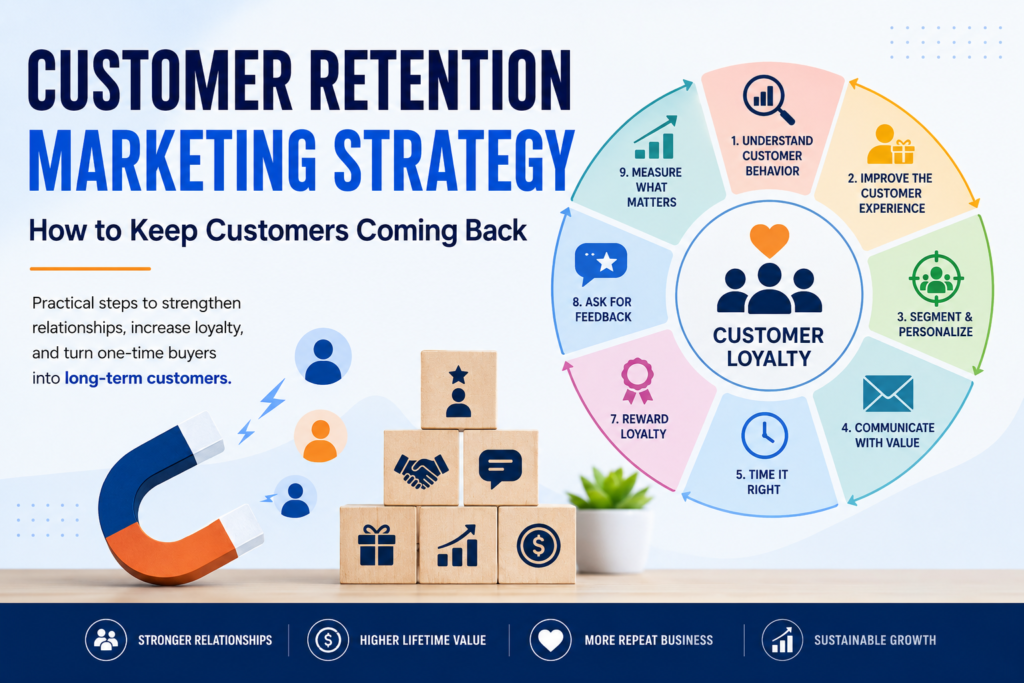
Customer Retention Marketing Strategy: How to Keep Customers Coming Back
Winning a new customer is important, but the relationship shouldn’t end as soon as the first purchase is complete. If customers buy once and then disappear, the business has to keep replacing them with new customers just to maintain the same level of sales. A customer retention marketing strategy focuses on what happens after that […]

Marketing Without a Marketing Team: A Practical Guide for Small Businesses
Running a business already means handling more jobs than you probably expected. Marketing is often one of them. You know you need to attract customers, stay visible, keep in touch with existing customers, and give people a reason to choose you—but there may be nobody whose full-time job is making all of that happen. The […]