

This article may contain affiliate links. We may earn a commission at no additional cost to you; this does not determine our editorial conclusions.
Black Friday tracking blind spots can make campaign performance harder to interpret at exactly the time marketers need reliable data most. Ecommerce brands may see orders and leads increasing while analytics, advertising platforms, and other marketing systems provide an incomplete picture of which campaigns actually influenced those conversions.
That doesn’t necessarily mean something is broken. A shopper can arrive through a paid advertisement, social post, email, affiliate link, or other marketing channel, make a consent choice that limits certain tracking, and still complete a purchase. The sale happens, but some of the digital signals marketers normally use for attribution may be unavailable.
During Black Friday and Cyber Monday, those gaps become more consequential. Marketing teams are increasing ad spend, publishing more promotional content, testing offers, and making fast decisions about which channels deserve additional budget. Reliable attribution is therefore closely connected to the broader process of creating a content marketing strategy that measures conversions and revenue.
Understanding these gaps doesn’t mean finding ways around customer privacy choices. It means knowing what your marketing data can actually tell you, where its limitations are, and how to make better decisions when attribution is incomplete.
What Are Black Friday Tracking Blind Spots?
A tracking blind spot is a gap between what customers actually do and what your marketing technology can observe and attribute.
Consider a shopper who sees a Black Friday promotion on social media and clicks through to an ecommerce store. Depending on the website’s configuration, applicable privacy requirements, and the visitor’s consent choice, some analytics or advertising technologies may not operate in the same way they would when the relevant consent is available.
The shopper can still browse products and eventually make a purchase. The retailer receives the revenue, but the marketing systems used to analyze that sale may have less information about the journey that produced it.
For marketers, that creates practical questions. Was the sale driven by paid social, search, an affiliate, email, organic content, or several touchpoints? Is an advertisement really underperforming, or is some of its contribution simply difficult to observe? Should the team reduce spending on a channel because reported conversions have fallen?
Those questions matter throughout the year, but Black Friday compresses them into a much shorter decision-making window. A campaign that looks weak in the morning could have its budget reduced that afternoon.
Why Black Friday Tracking Blind Spots Matter to Marketers
Black Friday attribution isn’t simply an analytics problem. It can influence real marketing decisions.
A retailer may simultaneously run Google Ads, Meta campaigns, influencer promotions, affiliate campaigns, email sequences, organic social content, SEO landing pages, and retargeting campaigns. Each channel may contribute to the customer’s journey differently.
At the same time, the business is monitoring return on ad spend, conversion rates, acquisition costs, revenue, and other performance indicators.
Incomplete attribution can make those numbers harder to interpret. If marketers place too much confidence in one reporting platform, they may move budget away from campaigns that are contributing more than the available data suggests.
This is particularly important when calculating marketing ROI. As discussed in our guide to measuring social media ROI, accurate tracking is an important part of connecting marketing activity with business results. Black Friday adds another layer because teams often need to make those decisions while campaigns are still running.
Cookie Consent and Marketing Communication Consent Are Different
Website cookie consent and marketing communication consent are not the same thing. Cookie consent concerns cookies, pixels, scripts, and other website tracking technologies, while marketing communication consent concerns whether someone has agreed to receive communications such as promotional emails or SMS messages.
A shopper can decline optional website tracking and still subscribe to an email list, or accept certain cookies without agreeing to receive marketing communications.
The connection relevant to this article is attribution. When certain tracking signals aren’t available, marketers may have less information about how a visitor arrived or which campaigns contributed to a conversion.
How a Conversion Can Happen Without Complete Attribution
A simplified Black Friday customer journey might look like this:
Campaign → Website → Consent Choice → Content or Product Pages → Conversion
The conversion at the end of that journey doesn’t necessarily depend on marketers having a complete record of everything that came before it.
A shopper might click an advertisement, decline optional tracking, browse several products, and make a purchase. The ecommerce platform still records the transaction, but some of the marketing information that would ordinarily help explain the customer’s journey may be limited.
This creates two different questions for marketers:
Did the campaign period generate a conversion?
How confidently can we attribute that conversion to a particular marketing activity?
Those questions can have different answers.
This distinction becomes particularly useful when advertising dashboards, analytics platforms, ecommerce revenue reports, and CRM or email-marketing systems show different numbers. The discrepancy isn’t automatically evidence that one platform is malfunctioning.
Where Cookie Consent Management Fits Into Marketing Measurement
A consent management platform, or CMP, helps websites manage consent relating to cookies and tracking technologies. For marketing teams, that makes the CMP part of the website’s measurement infrastructure rather than simply a privacy banner displayed at the bottom of the screen.
The process can include identifying cookies and trackers, categorizing them, presenting appropriate consent choices, and controlling how technologies behave according to those choices.
Cookiebot CMP, for example, can automatically scan a website for cookies and trackers and categorize detected technologies. It also supports Google Consent Mode, making it relevant to marketing teams using Google advertising and analytics products.
This role is important to define carefully. Cookiebot by Usercentrics isn’t an email or SMS preference-management system, and it doesn’t determine whether a customer has agreed to receive future marketing communications. Its role here is at the website tracking layer.
That distinction keeps consent management connected to the marketing measurement problem without incorrectly treating all forms of customer consent as the same thing.
How Google Consent Mode Affects the Measurement Conversation
Cookie consent doesn’t necessarily create a simple choice between unrestricted tracking and having no useful measurement information at all.
Google Consent Mode allows websites to communicate consent choices to Google tags so that supported tags can adjust their behavior according to the signals received.
For marketing teams, the important point is that consent-aware measurement can be incorporated into the analytics setup while respecting the visitor’s choice. Depending on the implementation and Google products involved, modeling may also form part of the resulting measurement approach.
Consent Mode shouldn’t be described as restoring all information that would have been available if the visitor had granted consent. It changes the behavior of supported Google technologies based on the consent signals communicated to them.
That distinction becomes particularly important when marketers are interpreting Black Friday reports. Modeled or aggregated information shouldn’t be confused with a perfectly observable individual customer journey.
How to Reduce Black Friday Tracking Blind Spots Before Traffic Peaks
Marketing teams should include tracking in their Black Friday pre-launch review. A practical approach is to work through these checks:
- Review the trackers currently running on the website.
Check advertising pixels, analytics tags, social media trackers, recommendation tools, personalization apps, and other technologies that may have been added since the consent setup was last reviewed. - Check newly added Black Friday tools.
Seasonal campaigns often introduce new landing pages, pixels, plugins, and marketing technologies. The cookie banner may look unchanged even though the tracking environment behind it has changed. - Scan for cookies and trackers.
Automated scanning can help identify technologies that might otherwise go unnoticed. Cookiebot CMP, for example, can scan a website for cookies and trackers and categorize detected technologies. - Test the setup before campaigns launch.
Confirm that tracking technologies behave appropriately under different consent choices before Black Friday traffic and advertising activity increase.
Test Campaign Journeys Under Different Consent Choices
Testing shouldn’t stop after someone clicks “Accept” on the consent banner.
Marketing teams should follow realistic campaign journeys under different consent scenarios. Start with representative paid search, paid social, email, affiliate, and organic campaign URLs. Follow those journeys through landing pages, content, product pages, forms, and checkout.
Then compare what appears in the systems used for campaign measurement.
The objective isn’t to make every consent scenario generate identical data. Differences may be expected when a visitor doesn’t provide consent for particular tracking technologies.
What marketers need to understand is where those differences appear. Does analytics receive the campaign information? Does the advertising platform report the conversion? Does the ecommerce platform record the transaction? Does campaign-source information reach downstream marketing or CRM systems?
Knowing those answers before Black Friday makes discrepancies much easier to interpret when traffic increases.
Don’t Forget Global Privacy Control
Cookie banners aren’t the only privacy signals that websites may encounter.
Global Privacy Control, commonly called GPC, is a browser-level signal designed to communicate certain privacy preferences. Its legal significance depends on the laws applicable to the business and its visitors.
This is relevant to Black Friday marketing because ecommerce campaigns can suddenly attract visitors from a much broader geographic audience. A retailer that normally receives mostly regional traffic may attract shoppers from multiple states or countries once promotions are distributed through advertising, social media, affiliates, influencers, and search.
Privacy-aware marketing infrastructure therefore shouldn’t be treated as something that is configured once and forgotten.
Black Friday Tracking Blind Spots: Marketing Readiness Checklist
Before Black Friday campaigns begin, marketers should review the technologies operating across their websites and identify anything newly introduced for seasonal promotions. That includes advertising pixels, analytics tags, affiliate technologies, embedded content, personalization tools, chat systems, and other scripts.
Campaign testing should cover several consent scenarios rather than only the accept-all journey. Teams using Google advertising or analytics products should also verify that Consent Mode and related tags behave as intended.
Campaign URLs should be tested from the initial click through conversion. Marketing teams should compare what appears in analytics, advertising platforms, ecommerce reporting, and downstream systems instead of assuming that all platforms will contain identical information.
It is also useful to establish a baseline for direct, unknown, or unattributed traffic before Black Friday. If those numbers change significantly during the promotional period, the team has something concrete to investigate.
For teams without a reliable inventory of website cookies and trackers, a CMP can simplify part of this process. Cookiebot CMP combines automated scanning and categorization with website consent management and offers a 14-day free trial, giving marketing teams an opportunity to review their setup before peak traffic arrives.
Black Friday Tracking Blind Spots FAQs
Does Rejecting Cookies Prevent Someone From Buying?
Not necessarily. A visitor’s decision about optional website tracking and their decision to purchase a product are separate actions.
Someone can decline particular tracking technologies and still browse the store and complete an order. What may change is the amount of marketing information available about the journey that preceded that purchase.
Is Cookie Consent the Same as Email Marketing Consent?
No. Cookie consent relates to cookies and similar website tracking technologies. Email marketing consent concerns whether a person has agreed to receive marketing communications.
A CMP such as Cookiebot by Usercentrics operates at the website tracking layer. Email subscriptions, SMS preferences, and other communication choices should be handled through the appropriate marketing or preference-management systems.
Why Do My Marketing Platforms Show Different Conversion Numbers?
Different platforms can use different attribution models, reporting windows, conversion definitions, identity methods, and data sources. Consent choices and technical configuration can create further differences.
For that reason, marketers shouldn’t expect Google Ads, social advertising platforms, analytics, ecommerce reporting, and CRM systems to produce identical figures.
Can Marketers Still Measure Black Friday Performance When Visitors Decline Cookies?
Yes, but the available information may be different. Transaction data, aggregate trends, campaign reporting, historical comparisons, CRM information, and consent-aware measurement can all contribute to the overall performance picture.
The objective should be reliable decision-making from the information legitimately available rather than expecting every individual journey to be completely observable.
What Does a Consent Management Platform Do?
A CMP helps websites manage consent relating to cookies and online tracking technologies. Depending on the platform, this can include cookie and tracker detection, categorization, consent banners, consent records, regional configurations, and integrations with analytics and advertising technologies.
It shouldn’t automatically be treated as a system for managing email, SMS, or other marketing communication preferences.
Does Cookiebot by Usercentrics Manage Email or SMS Marketing Preferences?
No. Cookiebot CMP manages website cookie and tracking consent. Marketing communication preferences should be managed separately through the appropriate email, CRM, SMS, or preference-management platform.
Should Marketers Audit Tracking Before Every Black Friday?
A pre-campaign review is sensible because websites and marketing stacks change throughout the year. New tags, plugins, advertising technologies, analytics tools, and campaign applications can alter the tracking environment.
Black Friday shouldn’t be the only time this happens. Periodic reviews throughout the year can make measurement problems easier to identify before major campaigns begin.
Final Thoughts
Black Friday tracking blind spots don’t necessarily mean campaigns have stopped producing results. A customer can still convert while marketers have less information about the combination of channels and content that influenced the purchase.
That distinction matters when teams are rapidly reallocating advertising budgets, evaluating creative, calculating campaign ROI, and deciding which channels deserve additional investment. Incomplete attribution should encourage marketers to examine multiple sources of evidence rather than immediately assuming that a campaign isn’t working.
Privacy and measurement also shouldn’t be treated as opposing goals. A well-configured marketing stack should respect visitor choices while helping teams understand the information that remains available for legitimate measurement.
For marketing teams preparing for seasonal traffic, that means reviewing more than campaign creative and media budgets. Tracking technologies, consent configuration, analytics, campaign URLs, and reporting workflows should all be tested before Black Friday begins.
Cookiebot CMP can support the website-tracking side of that preparation through automated cookie and tracker scanning, categorization, consent management, and Google Consent Mode support. Trying Cookiebot CMP for free is a practical way to review the setup before traffic peaks without turning consent management into the center of the campaign strategy.

We research and organize marketing software around practical use cases. Product claims are included only when supported by available sources.
Read our editorial policy →Related guides

5 Best Competitor Analysis Tools for Content Marketers in 2026
Compare 5 competitor analysis tools for content marketers to uncover keyword gaps, backlinks, top pages, and new content opportunities.
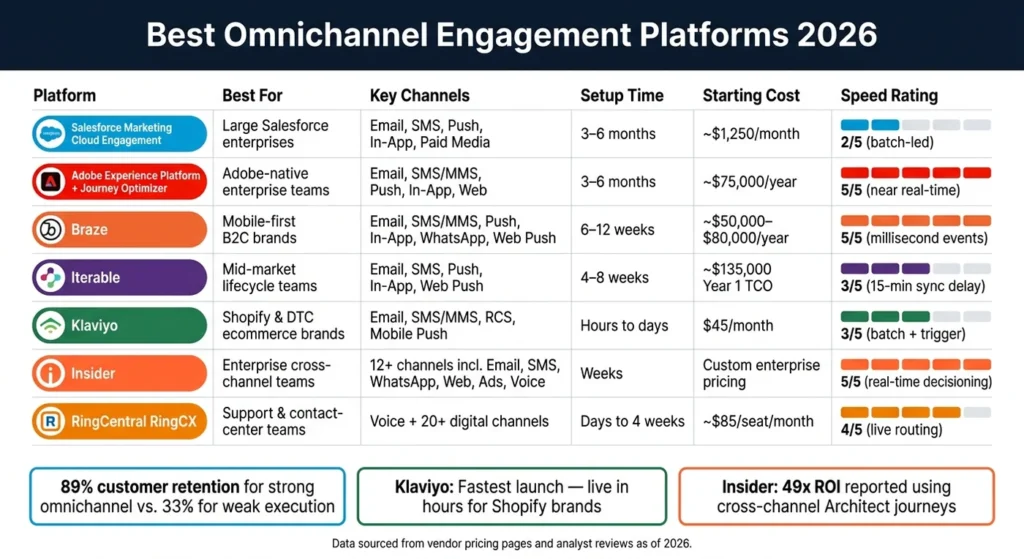
Best Omnichannel Engagement Platforms 2026
If you pick the wrong platform, you can waste months on setup and still miss the channels your team needs or fail to optimize AI based copywriting for SEO to engage them. The shortlist…
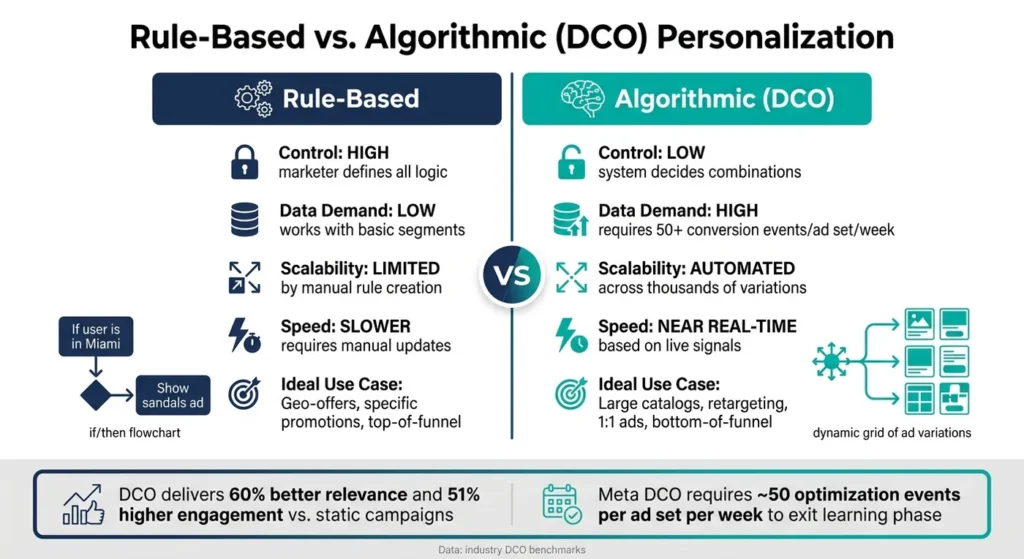
Ultimate Guide to Personalization in Display Ads
Personalized display ads can lift CTR by 34% and cut CPA by 38% when the setup is clean. My take is simple: if I want personalization to work, I need three things in place…