
This article may contain affiliate links. We may earn a commission at no additional cost to you; this does not determine our editorial conclusions.
Creating content today is faster than ever—but also more complicated. Businesses no longer struggle with how to create visuals, videos, or designs. Instead, the real challenge is managing too many disconnected AI tools.
One platform generates images. Another creates videos. A third handles editing. While each tool is powerful on its own, the overall workflow becomes fragmented, time-consuming, and harder to scale.
That’s the problem modern AI creative tools are trying to solve: turning content creation into a streamlined, repeatable system instead of a scattered process. This shift is reflected in industry trends, with more teams adopting AI to improve efficiency and output.
Businesses using structured systems often perform better long-term, especially when supported by customer relationship management strategies that centralize workflows and data.
Best AI Creative Tools for Businesses: Quick Rundown
If you need a fast answer before diving deeper, here’s how the top tools compare:
OpenArt — Best overall: strongest all-in-one workflow
Midjourney — Best for image quality: highly artistic visuals
Runway ML — Best for video: advanced video tools
Canva AI — Best for easy design: beginner-friendly
Best AI Creative Tools for Businesses: Detailed Overview
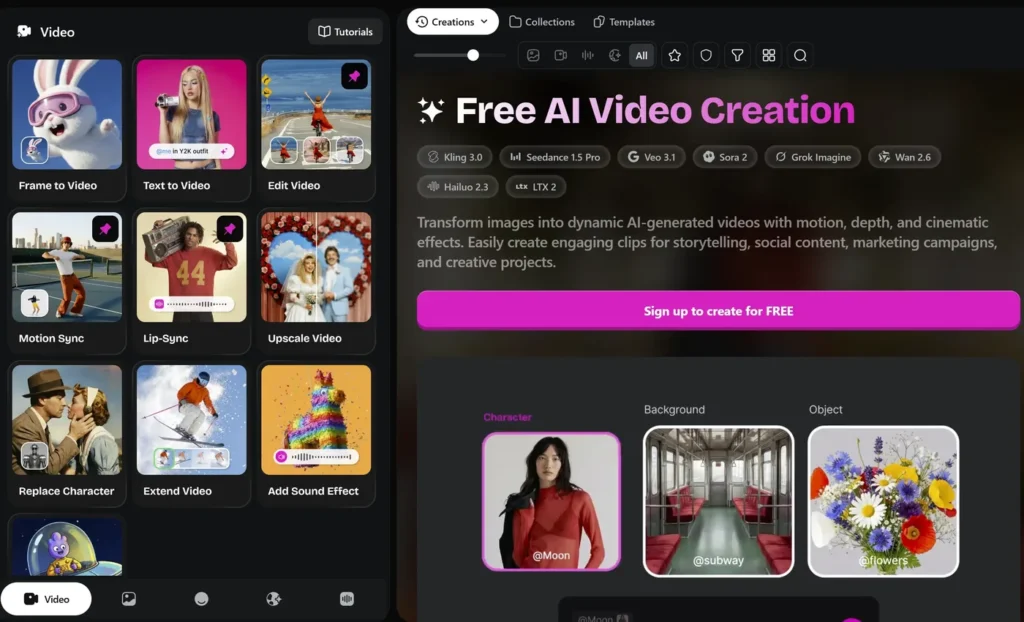
1. OpenArt – Best AI Creative Tool for Businesses Needing End-to-End Workflows
OpenArt ranks first because it focuses on workflow continuity.
Instead of treating image generation, video creation, and editing as separate steps, OpenArt connects them into a single system. A team can start with a concept, generate visuals, convert them into video, and reuse assets across campaigns without switching platforms.
This aligns with modern strategies like content repurposing to increase traffic, where businesses maximize output from a single asset instead of constantly creating new content.
One of OpenArt’s strongest advantages is asset reusability, helping maintain consistent branding across campaigns.
Another key strength is its multi-format capability, supporting images, video, animation, and audio in one place.
Limitations
• May require time to learn the full workflow if using multiple features
• Some advanced features are still evolving compared to specialized tools
• Output quality can vary depending on prompts and settings
2. Midjourney – Best AI Creative Tool for Businesses Focused on Image Quality
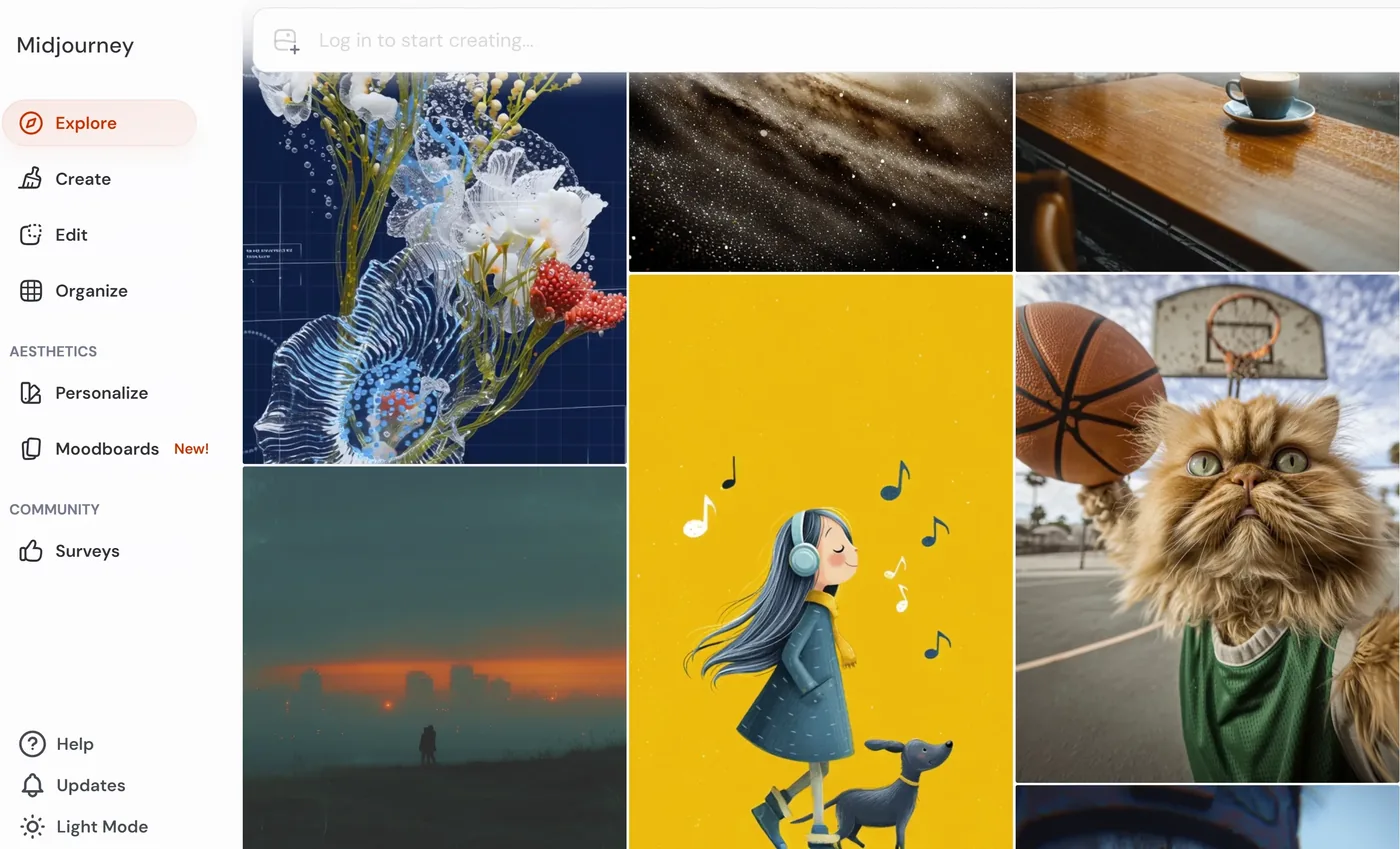
Midjourney is one of the most advanced AI image generation tools available, known for producing highly detailed, artistic, and visually striking outputs.
Unlike many AI tools that prioritize speed or automation, Midjourney focuses heavily on creative quality and stylistic control. This makes it particularly valuable for businesses that rely on strong visual identity, such as branding agencies, e-commerce brands, and content creators.
In practical use, teams often use Midjourney for:
• Creating marketing visuals and ad creatives
• Designing product concepts and mockups
• Producing social media content with high engagement potential
• Building unique brand aesthetics
Its ability to generate visually compelling images makes it a strong complement to strategies like writing blog posts that rank on Google, where visuals improve user engagement and retention.
One of Midjourney’s biggest strengths is its artistic consistency and output quality, often producing results that require minimal editing.
Limitations
• No built-in video or animation capabilities
• Limited workflow integration with other tools
• Requires prompt experimentation to get consistent results
• Runs mainly through Discord, which may not suit all teams
• Not designed for full end-to-end content workflows
Because of this, Midjourney is best used as a specialized creative tool rather than a complete solution.
3. Runway ML – Best AI Creative Tool for Businesses Focused on Video Content
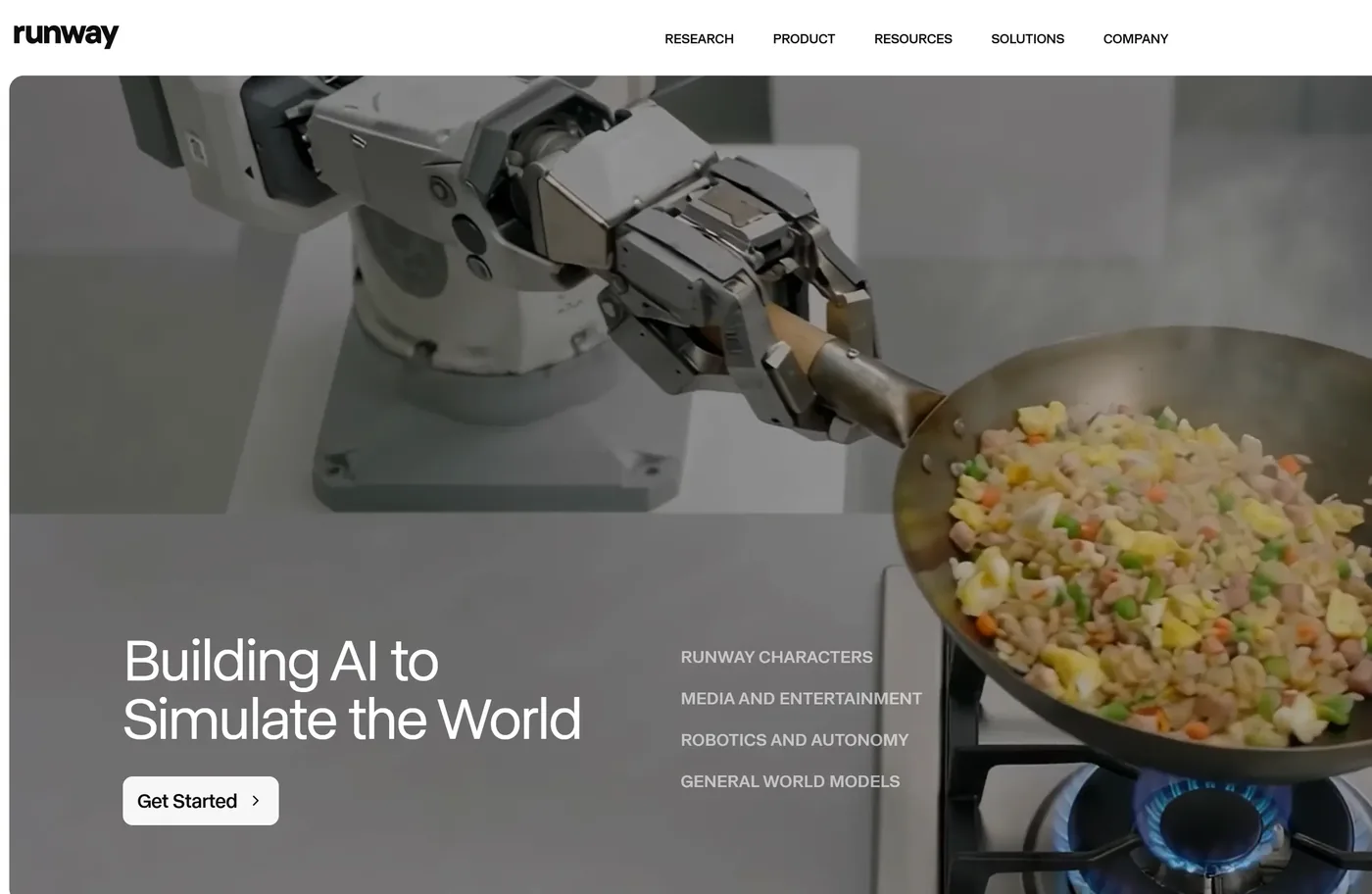
Runway ML is a leading platform for AI-powered video creation, offering tools that allow businesses to generate and edit videos without traditional production workflows.
As video becomes a dominant format in digital marketing—with over 90% of businesses using it, tools like Runway ML play a critical role in scaling content production.
Businesses typically use Runway ML for:
• Creating short-form videos for social media
• Producing marketing ads and promotional clips
• Generating video content from text prompts
• Editing and enhancing existing video assets
One of its strongest advantages is AI-driven video generation, which reduces the need for filming, editing, and large production teams.
Runway also includes features like background removal, motion tracking, and scene generation, making it a powerful tool for content teams focused on video.
Limitations
• Limited image generation compared to other tools
• Not a full content workflow platform
• May require additional tools for design and asset management
• Advanced features can have a learning curve
Because of this, Runway ML works best as a video-focused component within a broader content system.
4. Canva AI – Best AI Creative Tool for Small Businesses and Beginners
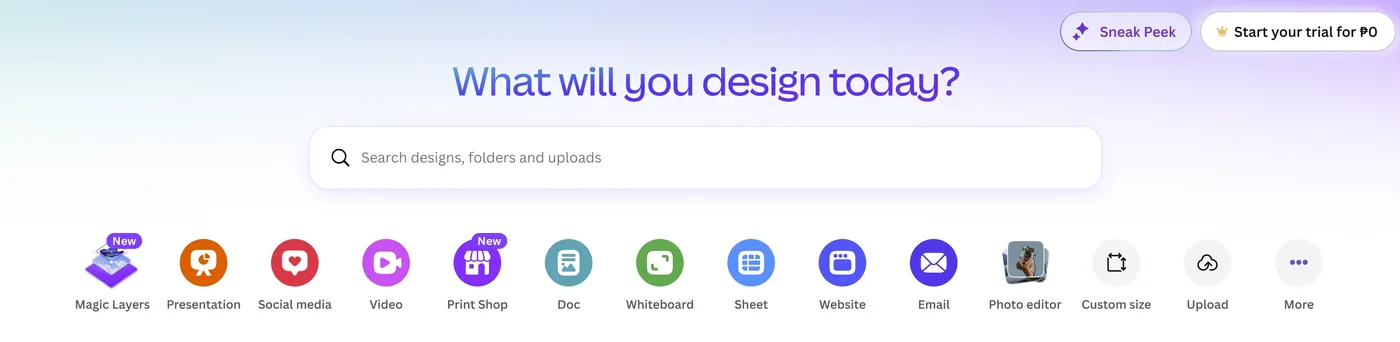
Canva AI combines traditional design tools with AI-powered features, making it one of the most accessible platforms for businesses without dedicated design teams.
It is widely used by small businesses, marketers, and teams that need to create content quickly without technical expertise.
In real-world use, Canva AI is commonly used for:
• Designing social media graphics and posts
• Creating presentations and marketing materials
• Producing simple ad creatives and visuals
• Editing images with AI tools like background removal
Its biggest advantage is ease of use. The drag-and-drop interface, combined with templates and AI assistance, allows users to produce professional-looking designs in minutes.
This makes Canva especially useful for teams that prioritize speed and simplicity over advanced customization.
Limitations
• Limited advanced AI generation compared to Midjourney
• Basic video capabilities compared to Runway ML
• Lacks deep workflow integration for scaling content
• Less flexibility for highly customized creative outputs
Because of this, Canva AI is best suited for quick content creation rather than large-scale production systems.
Best AI Creative Tools for Businesses: Feature Comparison Table
| Feature | OpenArt | Midjourney | Runway ML | Canva AI |
|---|---|---|---|---|
| Image Generation | Advanced | Excellent | Limited | Basic |
| Video Creation | Built-in | None | Advanced | Limited |
| Workflow Integration | Full pipeline | None | Partial | None |
| Asset Reusability | Strong | None | Limited | Limited |
| Ease of Use | High | Moderate | Moderate | Very High |
| Best Use Case | Full content system | Artistic visuals | Video production | Quick design |
How to Choose the Best AI Creative Tools for Businesses
Choosing the best AI creative tools for businesses depends on how your team actually creates and manages content on a daily basis.
If your primary focus is producing high-quality visuals and creative assets, tools like Midjourney are strong options because they deliver highly detailed and visually impressive outputs. These are especially useful for branding, design concepts, and marketing visuals where creativity and aesthetics matter most.
If your workflow is centered around video content—such as social media clips, ads, or product videos—then Runway ML offers more advanced capabilities. It allows businesses to generate and edit video content quickly, which is essential as video continues to dominate digital marketing.
For teams that prioritize simplicity and speed, especially small businesses or non-designers, Canva AI provides an easy way to create content without technical skills. It works well for basic design needs like social media posts, presentations, and quick marketing assets.
However, businesses that need to scale content production consistently should look beyond individual features. Using multiple tools may seem flexible, but it often leads to higher costs, slower workflows, and inconsistent branding across platforms.
This is where an all-in-one platform like OpenArt becomes more practical. By combining image generation, video creation, and asset management into a single system, it reduces the need for tool switching and allows teams to focus on output rather than managing multiple platforms.
FAQ: Best AI Creative Tools for Businesses
What is the best AI creative tool for businesses?
For most businesses, OpenArt is considered the best overall AI creative tool because it combines image generation, video creation, and workflow management in one platform. This makes it easier to create, manage, and scale content efficiently.
Why is OpenArt considered one of the best AI creative tools for businesses?
OpenArt stands out because it connects multiple stages of content creation into one system. Businesses can generate visuals, turn them into videos, and reuse assets across campaigns without relying on multiple tools.
While specialized platforms may perform better in specific areas, OpenArt provides a more complete solution for managing the entire content workflow.
Which AI creative tool is best for image generation?
Midjourney is widely regarded as one of the best tools for generating high-quality and artistic images. It is ideal for branding, design concepts, and visually-driven marketing content.
What is the best AI creative tool for video creation?
Runway ML is a leading platform for AI video generation. It allows businesses to create and edit video content quickly, making it ideal for social media and marketing campaigns.
Is Canva AI enough for business use?
Canva AI is suitable for basic design needs such as social media graphics and presentations. However, it may not be enough for businesses that require advanced workflows, multi-format content, or scalable production.
Do businesses need multiple AI creative tools?
Many businesses use multiple tools because most platforms specialize in a single function. For example, one tool may focus on images while another handles video.
However, this approach can increase costs and complexity. All-in-one platforms like OpenArt help reduce this by combining multiple capabilities into one system.
What features matter most in the best AI creative tools for businesses?
The most important features include workflow integration, asset reusability, multi-format support, ease of use, and scalability. Tools that combine these features are better suited for long-term business use.
Are AI creative tools cost-effective for businesses?
AI creative tools can significantly reduce the cost of content creation by minimizing the need for designers, editors, and multiple software subscriptions.
However, using multiple tools can increase expenses. Platforms like OpenArt provide better value by consolidating multiple functions into one platform.
The Verdict
AI creative tools have made content creation faster and more accessible, but most still operate as separate solutions.
While Midjourney, Runway ML, and Canva AI each perform well in specific areas, they often need to be combined with other tools to complete the full workflow.
OpenArt takes a different approach by bringing multiple stages of content creation into one platform, which may be useful for businesses looking to manage everything in a single system.
Ultimately, the best choice depends on your workflow, content needs, and how much flexibility or integration your team requires.
Try OpenArt for free and streamline how your business creates content.

We research and organize marketing software around practical use cases. Product claims are included only when supported by available sources.
Read our editorial policy →Related guides
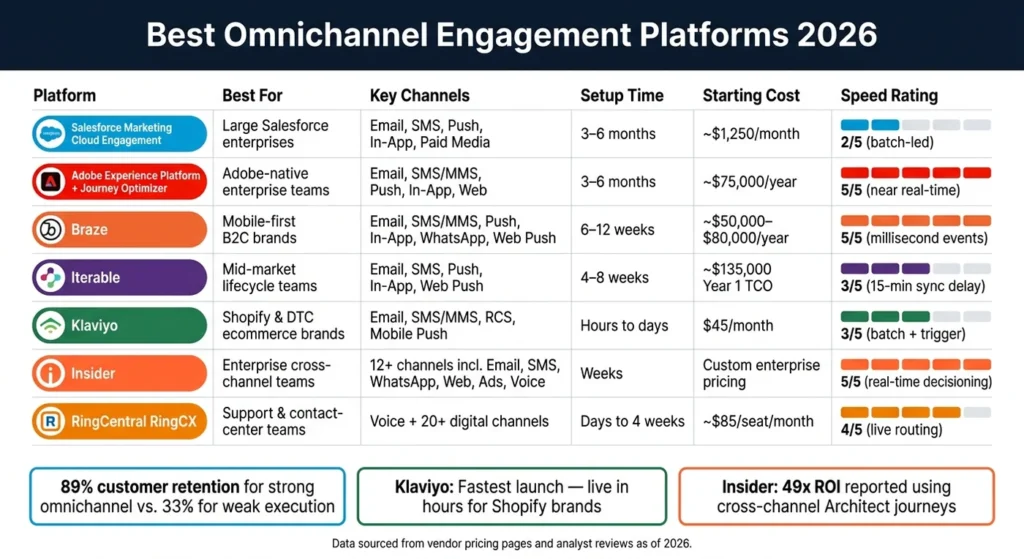
Best Omnichannel Engagement Platforms 2026
If you pick the wrong platform, you can waste months on setup and still miss the channels your team needs or fail to optimize AI based copywriting for SEO to engage them. The shortlist…
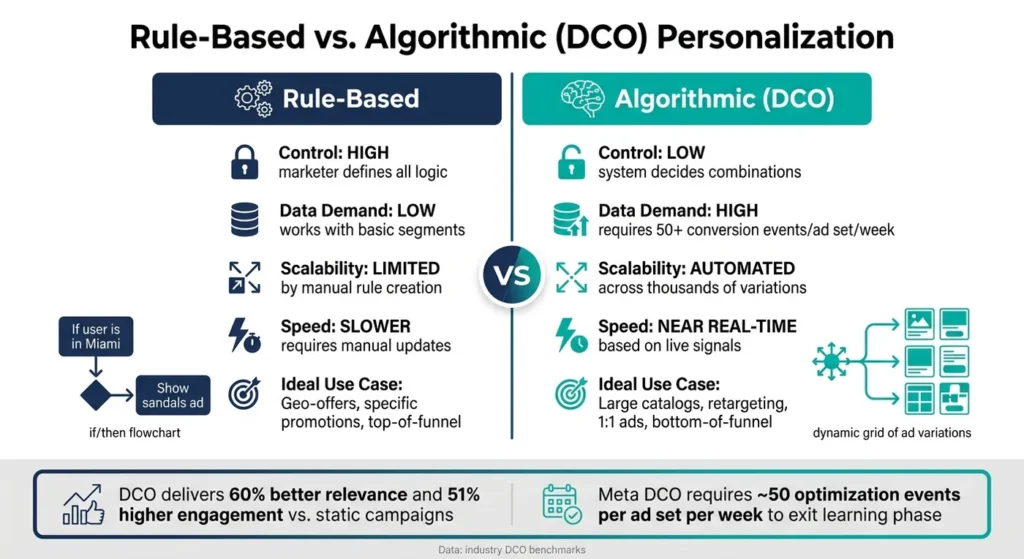
Ultimate Guide to Personalization in Display Ads
Personalized display ads can lift CTR by 34% and cut CPA by 38% when the setup is clean. My take is simple: if I want personalization to work, I need three things in place…
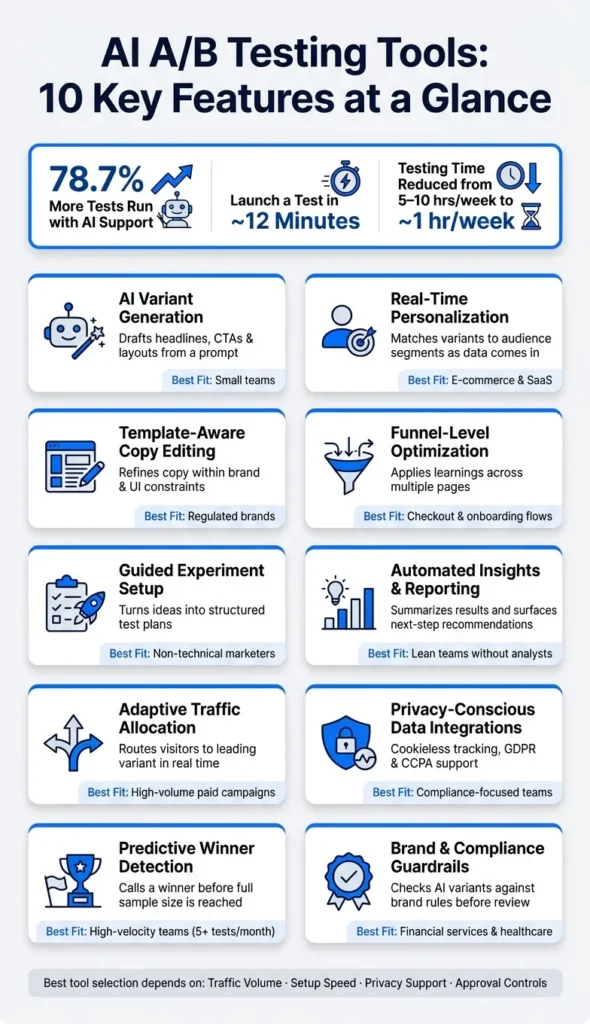
AI A/B Testing Tools: Features, Workflow and Selection Guide
Learn which AI A/B testing features matter, how automated experimentation works and what to compare before choosing a platform.