
This article may contain affiliate links. We may earn a commission at no additional cost to you; this does not determine our editorial conclusions.
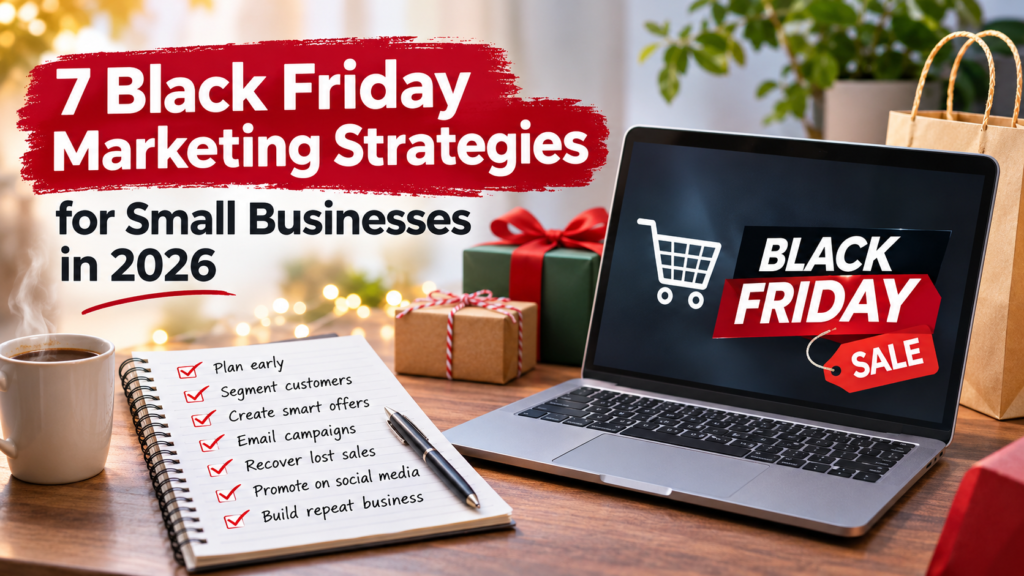
Black Friday marketing strategies can make a significant difference for small businesses trying to compete during one of the busiest shopping periods of the year. While large retailers often dominate the conversation with aggressive discounts, expensive advertising campaigns, and promotional emails that begin arriving weeks before the event, smaller businesses need a more thoughtful approach. Competing on price alone is rarely sustainable, especially when profit margins and marketing budgets are limited.
The good news is that a successful Black Friday campaign doesn’t necessarily require enormous advertising budgets or steep discounts. Small businesses can attract customers by understanding what their audience values, creating relevant offers, and making the shopping experience as convenient as possible. A well-planned email campaign, a thoughtfully designed product bundle, or a personalized promotion can sometimes be more effective than a blanket discount applied across an entire store.
In 2026, Black Friday falls on November 27, followed by Cyber Monday on November 30. With shoppers comparing products across websites, social media, marketplaces, and increasingly AI-powered shopping experiences, businesses need to think beyond a single promotional email or weekend sale.
This guide explores seven practical Black Friday marketing strategies for small businesses, covering everything from early campaign planning and customer segmentation to abandoned cart recovery, social media marketing, and post-sale customer retention. Whether you operate an online store, provide digital services, or run a small retail business, these strategies can help you make the most of the holiday shopping season without sacrificing profitability.
Why Black Friday Marketing Strategies Matter for Small Businesses
Black Friday creates an opportunity to reach customers who are already considering purchases. Unlike ordinary promotional periods, many shoppers approach the holiday season with specific products, gift lists, or spending budgets in mind. This makes the timing attractive for businesses that can present relevant offers to the right audience.
However, increased buying interest also brings greater competition. Customers may receive dozens of promotional messages from brands they already follow, making it difficult for smaller businesses to stand out. Simply announcing a discount is often not enough to earn attention, particularly when similar products are available from multiple sellers.
Successful Black Friday marketing strategies focus on giving customers a clear reason to choose a particular business. That might mean offering a curated selection of products, providing more personalized recommendations, making shipping and returns easier to understand, or rewarding loyal customers with early access.
Profitability is equally important. A promotion that generates impressive sales numbers but leaves little margin after advertising, fulfillment, and discount costs may not deliver meaningful business growth. Small businesses should therefore evaluate their Black Friday campaigns based on more than revenue alone, considering customer acquisition costs, average order value, and opportunities for repeat purchases.
1. Start Your Black Friday Marketing Strategies Before the Shopping Rush
One of the most common mistakes small businesses make is waiting until Black Friday week to begin promoting their offers. By that point, many shoppers have already researched products, compared prices, and decided which retailers they intend to visit.
Starting early doesn’t mean offering discounts throughout November. Instead, businesses can use the weeks leading up to Black Friday to build awareness, collect email subscribers, and help potential customers discover their products. This gives the audience time to become familiar with the brand before the most competitive shopping days arrive.
For example, a small online home decor store might begin November by publishing holiday gift ideas, sharing product demonstrations on social media, and encouraging visitors to join an early-access email list. As Black Friday approaches, the store can reveal selected offers to subscribers before making them available to everyone.
This approach creates several opportunities to engage customers without relying entirely on paid advertising. It also gives businesses more time to identify which products are attracting attention and adjust their promotional plans accordingly.
Build anticipation without overwhelming customers
Early campaigns work best when each message serves a purpose. Instead of sending repeated reminders that a sale is coming, businesses can gradually introduce useful information, such as product comparisons, gift recommendations, or previews of upcoming bundles.
A simple campaign schedule might begin with educational content, followed by an early-access announcement, a preview of selected offers, and finally the main Black Friday promotion. The objective is to maintain interest while giving subscribers a reason to open each message.
Businesses starting their campaigns later in November can still benefit from this approach by using a shorter promotional sequence. Even a few coordinated messages can be more effective than a last-minute announcement with no preparation.
2. Use Customer Segmentation to Make Black Friday Offers More Relevant
Not every customer responds to the same promotion. Someone who purchased a product last week may have little interest in receiving a discount for that exact item, while a customer who has repeatedly viewed it without buying may welcome a timely offer.
Customer segmentation helps businesses avoid treating their entire audience as a single group. By organizing subscribers according to purchase history, browsing behavior, interests, or engagement levels, marketers can develop promotions that better reflect what different customers are likely to need.
For a small ecommerce business, segmentation doesn’t need to be complicated. Existing customers might receive early access to selected products, first-time subscribers could receive an introductory offer, and inactive customers might receive a carefully targeted campaign designed to renew their interest.
Timing matters just as much as the offer itself. Customers who recently purchased may appreciate product recommendations rather than another discount, while shoppers who have been inactive for several months may need a different incentive. Understanding these differences is an important part of planning campaigns around customer segments and buying behavior, particularly during a busy promotional period when customers are receiving messages from multiple brands.
The key is to make each promotion feel useful rather than simply more frequent.
Personalize offers based on customer behavior
Consider an online skincare store preparing for Black Friday. Customers who regularly purchase moisturizers might receive recommendations for complementary skincare products, while those who have shown interest in gift sets could receive a preview of holiday bundles.
Both groups receive a Black Friday promotion, but the products and messaging are different. This makes the campaign more relevant without requiring the business to create entirely separate marketing strategies for every individual customer.
Email marketing platforms such as Klaviyo and Omnisend can help businesses organize customer segments and automate campaigns based on purchase and engagement data. However, smaller businesses can begin with the customer information already available in their ecommerce platform or email marketing system.
Segmentation also helps prevent unnecessary discounts. Loyal customers who are already planning to purchase may respond to exclusive access, complimentary shipping, or product recommendations rather than a substantial price reduction.
3. Create Black Friday Offers That Protect Your Profit Margins
Discounting is closely associated with Black Friday, but offering the biggest price reduction isn’t always the smartest approach for a small business. Large retailers may be able to absorb narrow margins because of their purchasing power and sales volume. Smaller businesses often have less flexibility, making it essential to evaluate how promotions affect profitability.
Before deciding on a discount, businesses should understand the costs associated with each product, including inventory, packaging, payment processing, shipping, and advertising. A promotion that appears attractive based on its selling price may become unprofitable once these expenses are included.
For example, suppose a product normally sells for $50 and costs $30 to source and fulfill. The business earns $20 before other operating expenses. A 20% discount reduces the selling price to $40, leaving only $10 before those additional costs. Although the customer receives a 20% discount, the business loses half of its original contribution margin.
This doesn’t mean discounts should be avoided. It means they should be chosen deliberately, with a clear understanding of how much additional sales volume would be required to offset lower margins.
Consider alternatives to storewide discounts
Product bundles can provide an appealing alternative, particularly when customers are shopping for gifts or purchasing related items. A stationery business, for instance, might combine a notebook, pen set, and desk organizer into a holiday bundle priced slightly below the combined individual prices.
This can increase average order value while helping customers discover products they might not have purchased separately.
Other options include free shipping above a minimum order amount, complimentary gifts with qualifying purchases, loyalty rewards, and exclusive early-access promotions. These incentives can create a sense of value without requiring a significant discount on every product.
Businesses should also consider whether their offers are genuinely attractive compared with regular prices. Transparent pricing, clear promotional terms, and realistic delivery expectations can build more trust than exaggerated savings claims.
Ultimately, the strongest Black Friday offer isn’t necessarily the cheapest. It’s the one that gives customers a compelling reason to buy while allowing the business to remain profitable.
4. Use Email Marketing to Drive Black Friday Sales
Email remains one of the most practical ways for small businesses to reach customers during Black Friday, particularly when they already have an established subscriber list. Unlike paid advertising, which requires businesses to compete for attention every time they launch a campaign, email allows brands to communicate directly with people who have expressed interest in their products.
However, sending a single promotional email with a large discount is unlikely to make the most of this opportunity. Customers often receive numerous marketing messages throughout Black Friday week, so businesses need to think carefully about what they send, when they send it, and why subscribers should pay attention.
A more effective approach is to create a short sequence of emails that supports customers throughout the shopping period. An early message might introduce the upcoming sale, while a second email highlights selected products or exclusive offers. On Black Friday itself, businesses can focus on making their promotions easy to understand, with clear pricing, relevant product recommendations, and direct links to the appropriate shopping pages.
The goal isn’t to send as many emails as possible. It’s to help customers make purchasing decisions without overwhelming their inboxes.
Make your Black Friday emails more useful
Strong promotional emails communicate their value quickly, but that doesn’t mean every subject line needs exaggerated urgency. A straightforward message such as “Our Black Friday Offers Are Here” can be more appropriate than a dramatic claim that doesn’t accurately reflect the promotion.
The email itself should make it easy for subscribers to understand what is available, how long the offer lasts, and whether any conditions apply. For businesses selling multiple products, highlighting a small selection of relevant items may be more useful than displaying an entire catalog.
Personalization can also improve the shopping experience. For example, a customer who previously purchased running shoes might appreciate recommendations for sports accessories, while someone interested in home office equipment may respond better to a curated collection of desk essentials.
Platforms such as Klaviyo can help businesses automate these campaigns, segment audiences, and personalize product recommendations based on customer behavior. For smaller businesses, even a basic email sequence with clear messaging and well-chosen products can provide a practical starting point.
5. Recover Abandoned Carts with Automated Campaigns
Black Friday shoppers frequently compare offers across multiple websites before completing a purchase. Someone might add a product to their cart, check a competitor’s price, become distracted, or decide to return later. Not every abandoned cart represents a lost sale, but some customers may simply need a reminder or additional information before making a decision.
Abandoned cart recovery campaigns help businesses reconnect with these shoppers. Instead of relying on customers to remember what they were considering, automated messages can remind them about the products left behind and provide a convenient way to return to checkout.
For small businesses, this can be particularly valuable during Black Friday because attracting new visitors through advertising or social media may already require considerable effort. Recovering interest from existing visitors can help businesses make better use of the traffic they have generated.
However, recovery messages should address possible purchase barriers rather than automatically offering another discount. A customer might be uncertain about delivery times, product compatibility, or return policies. Providing useful information can sometimes be more persuasive than reducing the price further.
Build a simple abandoned cart recovery sequence
A practical abandoned cart campaign might begin with a reminder a few hours after the customer leaves checkout, provided the business has the appropriate permission to contact them. This first message can include the products left in the cart and a clear link back to checkout.
If the customer still hasn’t purchased, a second message might address common concerns, such as shipping costs, delivery estimates, or return policies. A final reminder can mention when a genuine Black Friday promotion is scheduled to end, helping customers make a decision before the offer expires.
The timing should reflect the business’s audience and the length of its sale. Sending too many reminders within a short period can frustrate shoppers, particularly when they’re already receiving multiple promotional emails.
Automated recovery tools can make this process easier by identifying eligible abandoned checkouts and sending relevant messages without requiring businesses to follow up manually. Many ecommerce platforms and email marketing services already include these capabilities, so businesses should review their existing tools before purchasing additional software.
6. Promote Black Friday Marketing Strategies Through Social Media
Social media gives small businesses an opportunity to reach customers who may not be actively searching for their products. During the holiday shopping season, people often discover gift ideas, product demonstrations, and special offers while browsing platforms such as Instagram, Facebook, TikTok, and Pinterest.
However, successful social media promotion requires more than repeatedly posting discount announcements. Customers are more likely to pay attention when content helps them understand how a product works, why it might be useful, or who would benefit from it.
For example, a small business selling kitchen accessories could create short videos demonstrating practical holiday cooking tools. A clothing retailer might share outfit combinations featuring products included in its Black Friday promotion. These examples introduce products naturally while giving viewers useful ideas.
This approach can be particularly effective for businesses with limited advertising budgets because it creates content that can support both organic discovery and paid campaigns.
Focus on content that encourages genuine interest
Rather than publishing identical promotional graphics across every platform, businesses should consider how customers typically engage with content on each channel. Short product demonstrations may work well on TikTok or Instagram Reels, while Facebook posts can provide more detailed information about promotions, product collections, and customer questions.
Customer reviews and user-generated content can also help shoppers evaluate unfamiliar brands. Seeing how a product looks or performs in everyday situations may provide reassurance that a polished promotional image cannot offer on its own.
Businesses should make the next step easy for interested shoppers. Product links, clear calls to action, and mobile-friendly landing pages can reduce friction between discovering an offer and completing a purchase.
It’s also worth reviewing the performance of social media campaigns throughout the promotional period. Engagement alone doesn’t necessarily translate into sales, so businesses should consider website visits, product page activity, and completed purchases when evaluating results.
7. Turn Black Friday Shoppers into Repeat Customers
Black Friday can introduce a business to customers who might not otherwise have discovered its products. However, acquiring a new customer through a seasonal promotion is only part of the opportunity. The longer-term value comes from creating an experience that encourages shoppers to return after the discounts have ended.
This begins with fulfilling the promises made during the sale. Clear delivery expectations, accurate product descriptions, responsive customer service, and straightforward return policies can help establish trust with first-time buyers.
Businesses should also consider how they communicate after a purchase. An order confirmation provides reassurance, but follow-up messages can offer additional value by explaining how to use a product, providing care instructions, or recommending complementary items.
For example, a customer who purchases a coffee-making accessory during Black Friday might appreciate brewing tips or maintenance advice after receiving the product. This creates another opportunity to engage without immediately asking for another purchase.
Build relationships beyond the holiday sale
Post-purchase marketing works best when it reflects the customer’s actual experience. Someone waiting for an order should receive useful delivery information rather than repeated promotional messages. Once the product has arrived, businesses can follow up with relevant resources or invite customers to share feedback.
Loyalty programs, personalized recommendations, and occasional exclusive offers can encourage repeat purchases, but these should complement a positive customer experience rather than replace it.
Businesses can also use Black Friday results to better understand their customers. Reviewing which products attracted first-time buyers, which promotions generated repeat purchases, and which marketing channels brought in valuable customers can inform future campaigns.
Ultimately, Black Friday shouldn’t be treated as an isolated sales event. For small businesses, it can serve as the beginning of longer customer relationships that continue well beyond the holiday shopping season.
Black Friday Marketing Checklist for Small Businesses
Even a well-planned promotion can run into problems if customers encounter broken checkout pages, confusing discount conditions, or unexpected delivery charges. Before launching a Black Friday campaign, small businesses should review the entire customer experience, from the first promotional message to the final purchase confirmation.
The following checklist can help businesses prepare without adding unnecessary complexity.
| Area | What to Check |
|---|---|
| Promotional offers | Confirm discounts, product bundles, profit margins, and expiration dates |
| Website and checkout | Test mobile pages, payment options, coupon codes, and checkout links |
| Email campaigns | Review audience segments, subject lines, links, and scheduled messages |
| Abandoned cart recovery | Check automation triggers, message timing, and discount conditions |
| Social media | Prepare promotional content and confirm product links work |
| Inventory and fulfillment | Verify stock availability, shipping costs, and delivery estimates |
| Customer support | Prepare answers to common questions about orders, returns, and promotions |
| Performance tracking | Confirm analytics, conversion tracking, and campaign reporting are working |
Testing is particularly important for email campaigns. A promotion might look excellent in a desktop preview but display poorly on a smartphone, where customers may have difficulty reading product details or selecting a checkout button. Businesses can reduce these problems by testing messages across devices and reviewing the customer journey before the sale begins.
Small improvements can make a meaningful difference. For example, testing two versions of a promotional subject line may help a business understand which message attracts more interest. Rather than changing several elements at once, marketers can use A/B testing to improve email campaigns by comparing one variable at a time and applying what they learn to future messages.
How to Measure the Success of Your Black Friday Marketing Strategies
Black Friday success shouldn’t be judged by total sales alone. A business might generate more revenue than expected but spend heavily on advertising, offer excessive discounts, or attract customers who never return. Understanding the overall results requires looking at both immediate performance and longer-term customer value.
Conversion rate is a useful starting point because it shows how effectively website visitors become customers. Average order value can help determine whether product bundles, free-shipping thresholds, or complementary recommendations encouraged larger purchases. Businesses should also monitor advertising costs and the contribution margin remaining after discounts and variable fulfillment expenses.
Email and social media performance deserve attention as well. Click-through rates can indicate whether promotional messages attracted interest, while completed purchases provide a clearer picture of their commercial impact.
Research from Intuit Mailchimp’s 2026 holiday marketing trends report highlights the importance of relevant messaging. Its analysis of the 2025 peak shopping season found that segmented and personalized email campaigns were associated with higher average order values. This reinforces the value of understanding customer behavior rather than simply increasing the number of promotional messages.
Once the sale ends, businesses should compare their results with previous campaigns and identify which offers attracted profitable customers. The findings can guide future promotions, improve audience targeting, and reveal opportunities to strengthen customer relationships.
Those relationships become especially important after the holiday season. Reviewing purchase frequency, engagement patterns, and the timing of follow-up campaigns can help businesses identify when customers may be ready to purchase again. Understanding how to analyze customer win-back timing can support more relevant follow-up campaigns instead of relying on repeated discounts.
Frequently Asked Questions About Black Friday Marketing Strategies
When is Black Friday in 2026?
Black Friday falls on Friday, November 27, 2026, followed by Cyber Monday on November 30. Many businesses extend their promotions across the weekend, although the exact duration varies by retailer. Small businesses should choose a promotional period that fits their inventory, fulfillment capacity, and marketing resources rather than assuming a longer sale will automatically produce better results.
When should small businesses start promoting Black Friday?
Ideally, businesses should begin preparing several weeks before Black Friday, using the early period to introduce products, build anticipation, and collect interested subscribers. However, businesses starting later can still run effective campaigns by prioritizing a clear offer, targeted email communication, and a smooth checkout experience.
The most important consideration is giving customers enough information to make confident purchasing decisions without overwhelming them with repeated announcements.
How much should a small business discount for Black Friday?
There is no universal discount percentage that works for every business. The appropriate offer depends on product margins, inventory levels, customer expectations, and the cost of acquiring sales.
Some businesses may benefit from modest discounts, while others can create attractive promotions through product bundles, complimentary gifts, or free shipping above a minimum order value. The objective should be to offer meaningful customer value without sacrificing profitability.
What is the most effective Black Friday marketing channel?
The most effective channel depends on where a business’s customers already spend their time and how they prefer to shop. Email marketing can work well for reaching existing subscribers, while social media may help introduce products to new audiences. Abandoned cart automation can reconnect with visitors who have already demonstrated purchase interest.
According to Mailchimp’s peak-season research, businesses face substantial competition for attention during Black Friday and Cyber Monday. Coordinating relevant messages across channels can be more useful than relying on a single promotional announcement.
Can small businesses succeed on Black Friday without large advertising budgets?
Yes. Small businesses can focus on their existing customers, organic social media content, email subscribers, and carefully selected promotions instead of competing directly with larger retailers through expensive advertising.
A smaller campaign can still be worthwhile if it attracts profitable purchases, provides a positive customer experience, and encourages customers to return. Businesses should prioritize the channels they can manage effectively rather than spreading limited resources across every available platform.
Final Thoughts
Black Friday presents a valuable opportunity for small businesses, but success doesn’t have to depend on offering the steepest discounts or spending the most on advertising. A carefully planned campaign that reaches the right customers, communicates genuine value, and makes purchasing convenient can be more sustainable than a promotion focused entirely on short-term sales.
The seven Black Friday marketing strategies discussed in this guide work best when businesses consider them together. Early preparation builds awareness, segmentation makes offers more relevant, email and social media create opportunities to connect with shoppers, and abandoned cart recovery helps businesses make better use of existing traffic. Just as importantly, protecting profit margins and delivering a positive post-purchase experience can turn seasonal demand into longer-term growth.
For small businesses preparing for Black Friday 2026, the priority should be to choose a manageable set of activities, execute them consistently, and learn from the results. The goal isn’t simply to sell more during one busy weekend, but to build stronger customer relationships that continue well beyond the holiday season.

We research and organize marketing software around practical use cases. Product claims are included only when supported by available sources.
Read our editorial policy →Related guides
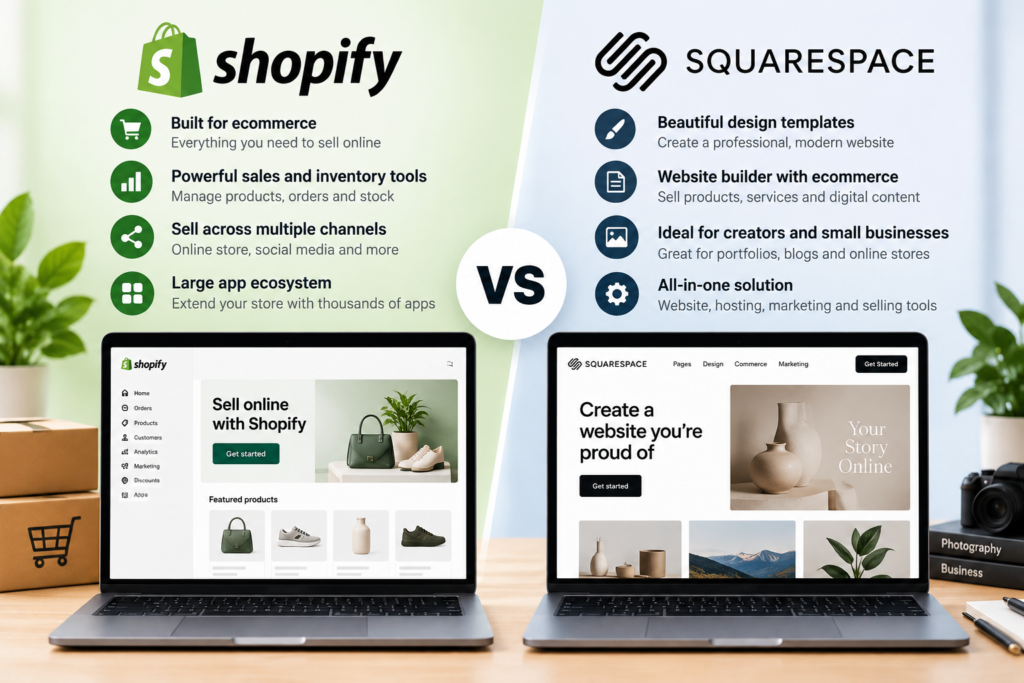
Shopify vs Squarespace: Which Is Better for Selling Online in 2026?
Shopify vs Squarespace is a common decision for entrepreneurs and small businesses planning to sell products online. Both platforms allow you to create a professional website, manage products, accept payments, and operate an online store without building everything from scratch. However, they approach ecommerce differently, and those differences can become more important as your business […]
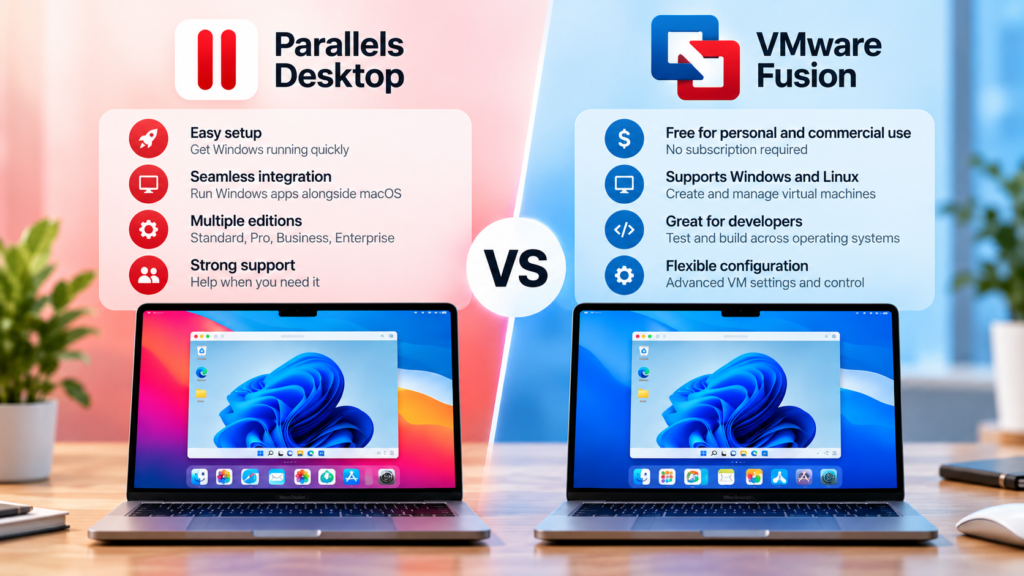
Parallels Desktop vs VMware Fusion: Which Is Better for Running Windows on Mac in 2026?
Parallels Desktop is best for Mac users who want seamless Windows integration and easy setup. VMware Fusion is better for those seeking free virtualization, especially developers and occasional Windows users.
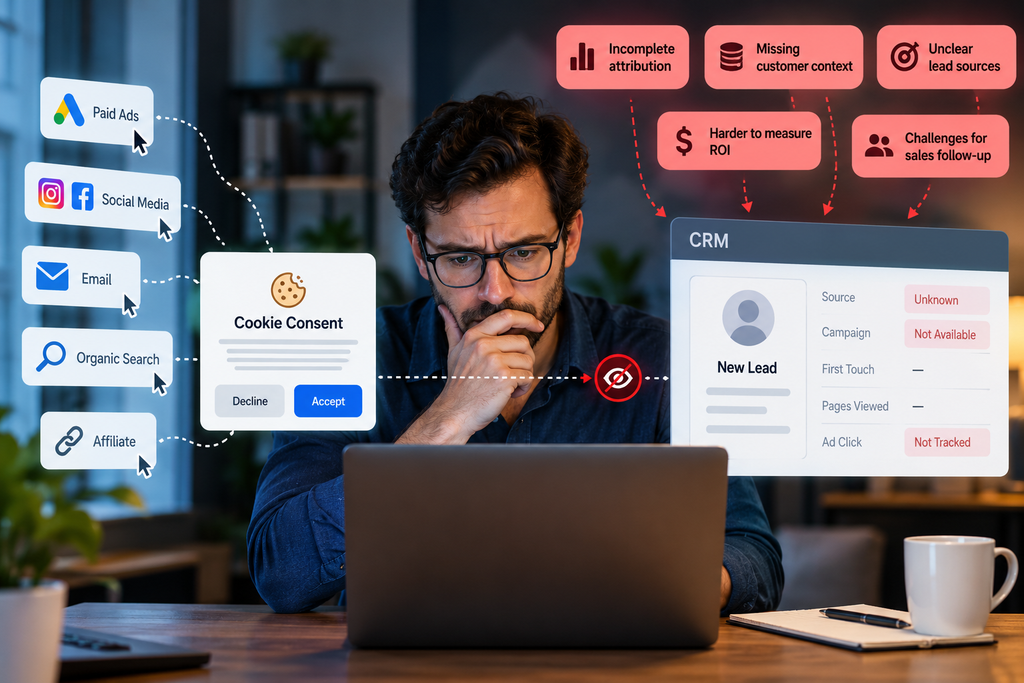
Black Friday Tracking Blind Spots: How Cookie Consent Affects Marketing Data and Attribution
Black Friday tracking blind spots can make campaign performance harder to interpret at exactly the time marketers need reliable data most. Ecommerce brands may see orders and leads increasing while analytics, advertising platforms, and other marketing systems provide an incomplete picture of which campaigns actually influenced those conversions. That doesn’t necessarily mean something is broken. […]